
Understanding what can affect CTR of a Google Ads search campaign is the first step to turning stagnant digital marketing efforts into a predictable lead-generation engine. Click-through rate (CTR) is more than just a vanity metric; it is a direct reflection of how relevant your messaging is to your audience’s immediate search intent. When your ad appears on the search engine results page, you have mere seconds to prove that your business holds the exact solution the searcher is looking for.
At Coding Bull, we think like a business owner, bringing deep analytical rigor to every project. Over the past 11 years, we have engineered data-driven strategies for over 320 small and medium enterprises, generating more than 230,000 leads. We have seen firsthand how optimizing specific campaign variables can dramatically increase engagement. If you are struggling to get clicks, it usually comes down to a disconnect between what the user wants and what your ad delivers. Let’s explore the key factors that dictate whether a user clicks your ad or scrolls past it to a competitor.
Targeting and Intent: Reaching the Right Audience
Keyword Selection and Match Types
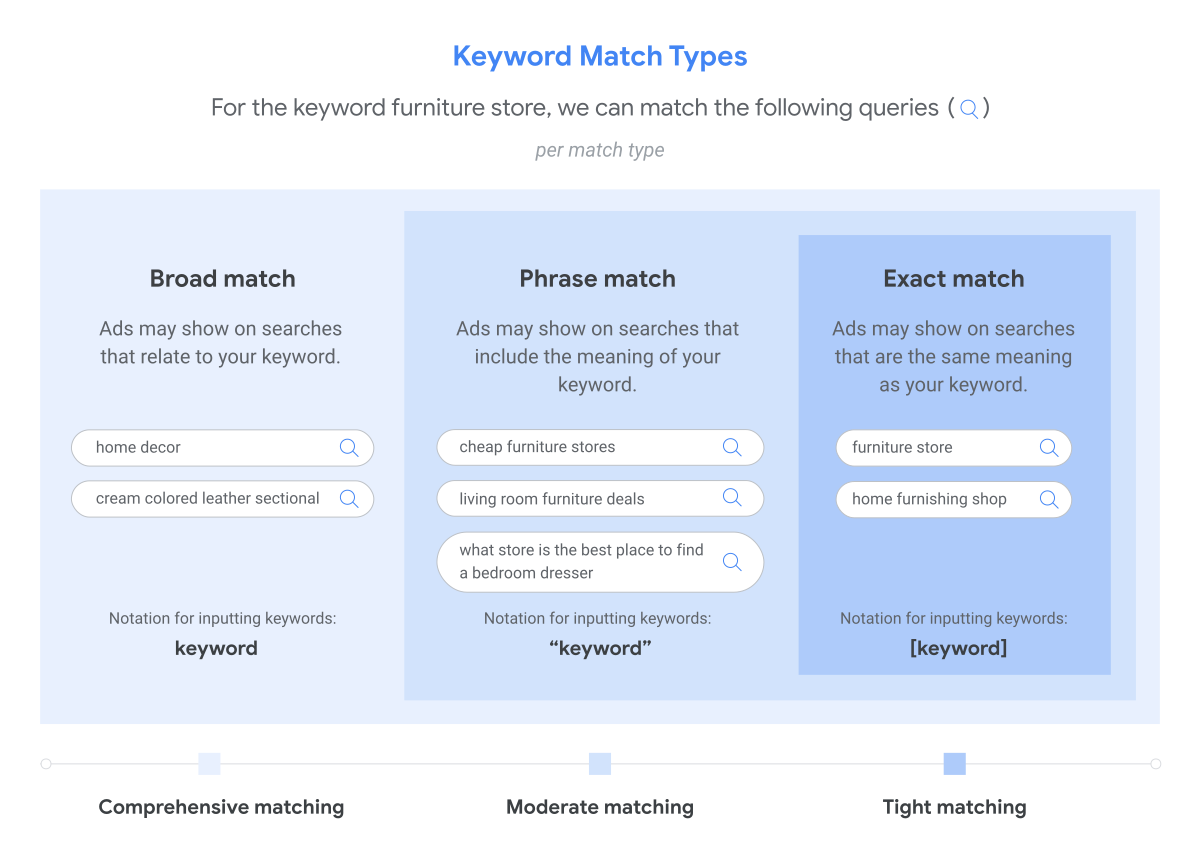
Your choice of keywords acts as the foundational filter for your campaign. Broad match keywords cast a wide net, which can sometimes trigger your ads for irrelevant queries, leading to lower engagement. Conversely, exact match keywords target users with high intent, significantly improving the likelihood of a click. Aligning your match types with your specific lead generation goals is critical to maintaining a healthy CTR.
Negative Keyword Optimization
Knowing who not to target is just as important as knowing who to target. By regularly updating your negative keyword lists, you prevent your ads from showing up for unrelated or low-intent searches. Our founder, Justin Chan, leverages his background in mathematics and finance to apply rigorous data analysis to campaign filtering. By stripping out irrelevant impressions, we ensure your ads only appear to users who are genuinely interested in your services, naturally boosting your CTR.
Ad Group Segmentation and Search Intent
When considering what can affect CTR of a Google ad search campaign, ad group structure is a major variable. A common mistake is grouping too many mixed-intent keywords into a single ad group. This forces you to write generic ad copy that fails to resonate with anyone. By segmenting your ad groups into tight, unified themes, you can craft highly specific headlines that directly answer the searcher’s query.
The Impact of Branded vs. Non-Branded Search Terms
The type of search term heavily influences expected engagement. Branded keywords—searches that include your specific company name—typically yield a much higher CTR because the user is already familiar with and looking for your business. Non-branded keywords sit higher in the funnel and generally have a lower average CTR. Balancing both in your strategy is essential for capturing both existing demand and new audiences.
Ad Presentation: Standing Out on the Results Page
Ad Copy Relevancy and Compelling Messaging
The actual text of your ad is your primary tool for persuasion. Using action-oriented verbs and clearly stating your value proposition can dramatically improve engagement. If your headline directly matches the search intent, the user instantly recognizes that you have what they need. We prioritize forward-looking strategies and constant improvements, frequently split-testing ad copy to ensure our messaging remains compelling and relevant.
Utilizing Ad Assets and Extensions
Ad assets, formerly known as extensions, expand your footprint on the results page. Sitelinks, callouts, and structured snippets provide additional pathways for users to interact with your business. By offering more specific routing—such as a direct link to a service page or a compelling guarantee—you give searchers more reasons to click.
Environmental Factors: Competition and Placement
Ad Position on the Search Engine Results Page
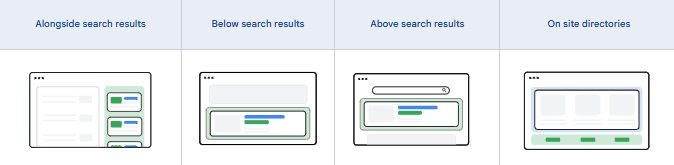
Where your ad appears on the page is one of the most significant factors in what can affect CTR of a Google ad search campaign. Ads positioned at the very top of the page naturally receive more visibility and clicks than those at the bottom. Achieving a top position requires a strong Quality Score, which is heavily influenced by your historical CTR and landing page relevance.
Competitor Activity on the SERP
You are never advertising in a vacuum. The messaging and offers presented by your competitors directly impact your own click-through rates. If a competitor highlights a stronger value proposition or utilizes more engaging ad assets, they may siphon clicks away from your campaign. We have successfully navigated highly competitive search environments for recognizable clients like HUB International, Trimble, and Fairmont Pacific Rim by ensuring our clients’ ads clearly differentiate them from the rest of the pack.
Campaign Settings and Technical Influences
Campaign Type and Network Selection
Different campaign types inherently produce different engagement rates. A standard Search campaign targeting high-intent queries will perform differently than a Performance Max or Display campaign, which reaches users across various networks. Understanding the nuances of these networks is crucial for setting accurate performance benchmarks.
Landing Page Alignment and Quality Score
While the landing page happens after the click, it plays a massive role in your campaign’s technical health. Google evaluates the consistency between your ad copy and your landing page experience to determine your Quality Score. A high Quality Score improves your ad position, which in turn boosts your CTR. With over 326 projects completed and a track record of achieving a 15.68% lead generation rate on our websites—well above the 5% industry average—we know that seamless message match is non-negotiable.
The Hidden Effect of Bot Traffic and Invalid Impressions
When auditing what can affect CTR of a Google ad search campaign, many overlook the impact of invalid traffic. Bots and automated scrapers can inflate your impression count without generating clicks. This artificially suppresses your CTR, sending poor signals to the delivery algorithm. Implementing robust traffic filtering ensures your data remains accurate and your campaign optimizations are based on real human behavior.
Conclusion: Maximizing Your Campaign’s Click-Through Rate
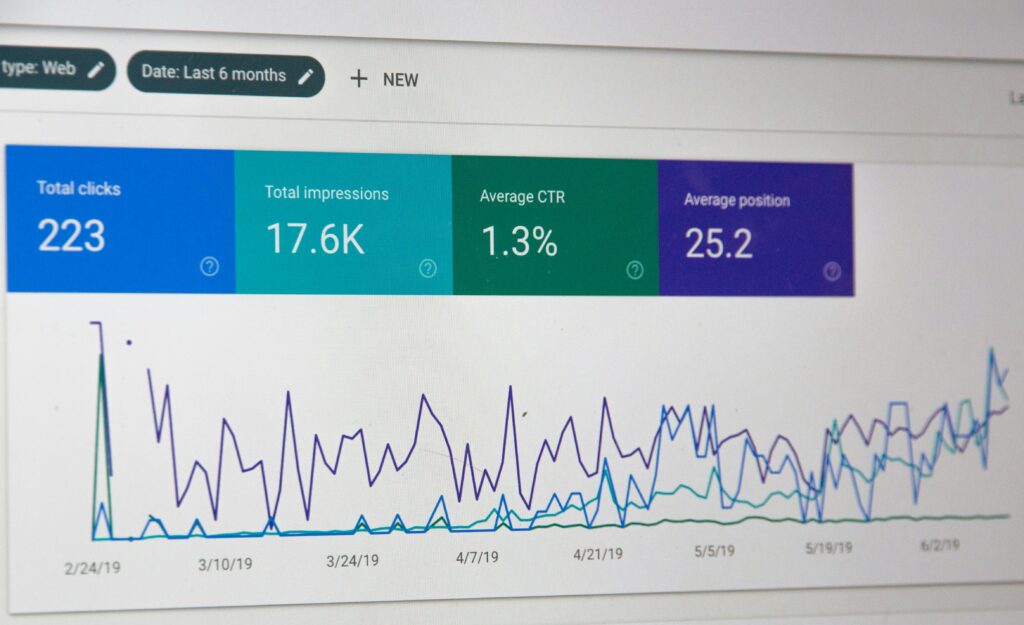
Improving your CTR is an ongoing process of refining targeting, crafting compelling messages, and ensuring technical alignment across your entire digital presence. At Coding Bull, accountability and responsibility are at the core of everything we do. We offer performance guarantees designed to get you 50% to 100% more leads, ensuring that our super communicative team is always aligned with your business goals.
As a National Excellence Award Winner and CSSDA Website of the Day recipient, we pride ourselves on building transparent, high-performing campaigns. By continuously monitoring search intent, testing ad copy, and optimizing your landing pages, you can turn your search campaigns into a reliable engine for sustained growth.
